
close
Choose Your Site
Global
Social Media

Views: 126 Author: Site Editor Publish Time: 2026-09-15 Origin: Site


Unplanned downtime on heavy equipment directly erodes project margins, making reactive maintenance an unsustainable strategy for fleet managers. While SDLG loaders—from the compact 1-cubic-yard L918F to the heavy-duty L956H—feature structural components that undergo rigorous strength tests for job site durability, the inherent physical stress of material handling means specific consumable components will inevitably degrade faster than the machine's core frame. Identifying the specific SDLG wheel loader parts that require the most frequent replacement allows operations to optimize inventory, forecast maintenance budgets accurately, and prevent catastrophic system failures.
Ground-engaging tools (GET) and hydraulic seals represent the highest frequency of wear due to continuous abrasive contact and pressure fluctuations.
Sourcing genuine SDLG construction machinery parts mitigates fitment risks and protects warranty status compared to unverified aftermarket alternatives.
Preventative stocking of critical SDLG wheel loader transmission parts and filtration systems reduces average downtime from weeks to hours.
The operating environment dictates the wear curve; aggressive material handling accelerates pin, bushing, and drivetrain degradation significantly faster than standard stockpile work.
Successful fleet management relies on balancing the cost of holding parts inventory against the hourly cost of machine downtime. Every hour a loader sits idle waiting for a replacement component represents lost production revenue. You also pay idle operators and disrupt downstream workflows. When a loader feeding a crusher goes down, the entire crushing plant stops. Predictive replacement shifts your focus toward scheduled interventions. Replacing components just before they fail maximizes their useful life while eliminating unexpected breakdowns.
Running a fast-wearing part to failure triggers cascading mechanical damage across the machine. A degraded hydraulic cylinder seal seems like a minor issue initially. However, a compromised seal introduces external contamination into the closed hydraulic loop. Silica dust and dirt bypass the broken wiper seal, traveling directly into the main hydraulic pump. This abrasive mixture scores the internal pump housings and destroys the valve banks. A simple seal replacement quickly becomes a massive system overhaul requiring days of labor and extensive system flushing.
Maintenance scheduling requires a reality-based approach. Manufacturer-recommended replacement intervals provide a solid baseline. Real-world replacement cycles often differ significantly based on site conditions and high loading efficiency demands. A loader moving highly abrasive granite requires more frequent pin and bushing replacements than a similar machine handling loose topsoil. Adjusting maintenance schedules based on actual operational data prevents premature failures.
To accurately assess the financial impact of parts replacement, fleet managers should track several operational metrics:
Track the exact hours logged on specific consumable components before failure to establish a site-specific baseline.
Calculate the hourly production loss when a machine goes down unexpectedly, including downstream bottlenecks.
Measure the labor hours spent on emergency field repairs versus scheduled preventative maintenance in the shop.
Monitor fluid analysis reports to detect early signs of internal component wear before catastrophic failure occurs.
Predictive Maintenance vs. Reactive Maintenance Impact
Maintenance Approach | Inventory Strategy | Downtime Impact | Secondary Damage Risk |
|---|---|---|---|
Predictive | Stock high-wear items locally | Scheduled, minimal disruption | Low |
Reactive | Order parts after failure | Unplanned, extended delays | High |
Buckets and teeth absorb the most direct physical punishment on any job site. Wear rates for bucket teeth, cutting edges, and wear plates depend heavily on material density. A compact loader like the L918F handling mulch experiences minimal GET wear. Conversely, a 4-cubic-yard production model attacking blasted rock faces will grind down cutting edges rapidly. Operators must measure tooth length and plate thickness weekly. Replacing GET before the base bucket structure takes damage saves significant repair costs. When a bucket tooth snaps off and ends up in a rock crusher, you pay for both the tooth and the hours of crusher downtime.
Articulation joint pins and loader arm bushings endure immense stress during heavy loading. Breakout cycles force extreme pressure through the Z-bar linkage system. Continuous lifting operations generate friction heat, especially if greasing intervals slip. Bushings act as wearable sleeves protecting the heavy steel pins. Once a bushing wears through, the pin begins grinding directly against the loader arm housing. This metal-on-metal contact ruins the structural integrity of the boom, requiring expensive line-boring and welding to repair.
Differentiating between structural components and sacrificial GET remains essential. The main booms and frames undergo rigorous testing to ensure decades of durability. Engineers design GET specifically to wear out and be replaced. Attempting to extend the life of bucket teeth past their functional limit transfers digging stress directly into the loader arms and hydraulic cylinders. You must treat these parts as consumables and keep replacements readily available.
Hydraulic cylinder seals and O-rings remain highly vulnerable to pressure spikes. Thermal degradation occurs when machines run continuously under maximum load in hot climates. Particulate contamination accelerates seal wear faster than any other factor. Once dirt breaches the wiper seal, it acts like sandpaper against the primary pressure seals. Regular inspection of cylinder rods for oil weeping helps identify failing SDLG wheel loader hydraulic parts before they blow completely.
High-pressure hydraulic hoses possess a finite lifespan. Constant flexing during boom operation, combined with UV exposure and temperature fluctuations, degrades the rubber compounds. Main pumps face premature wear when operators consistently push the machine beyond its limits. Operating at the maximum 3.5T rated load of the L935H demands peak hydraulic pressure, often exceeding 3000 PSI. Ensuring clean fluid and replacing filters on schedule protects these expensive pumps from cavitation and scoring. Cavitation sounds like marbles rattling inside the hydraulic pump and indicates severe fluid starvation or aeration.
Hydraulic system degradation rarely happens overnight. It follows a predictable pattern of minor leaks leading to major pressure losses. Mechanics should conduct daily walk-arounds to spot weeping hoses or damp cylinder heads. Catching a failing O-ring early prevents a catastrophic hose burst that could dump gallons of hydraulic fluid onto the job site, triggering environmental cleanup protocols.
Transmission clutch discs, gears, and torque converters experience continuous friction wear. Modern H-series models feature quick acceleration response times. This rapid power delivery increases torque loads during frequent directional shifts. Operators performing tight V-pattern loading cycles shift from forward to reverse hundreds of times per shift. This constant cycling degrades clutch pack material. Monitoring transmission fluid for burnt odors or metallic flakes provides early warning signs. A torque converter stall test helps mechanics pinpoint internal slippage before the transmission fails completely.
Drive axle bearings, planetary gear sets, and braking systems degrade steadily under heavy use. Applications requiring high-speed tramming accelerate this wear. Moving material across large sites at ground speeds up to 15 mph generates significant heat in the axles. Brakes take a beating when operators ride the pedal or use brakes instead of transmission downshifting to control speed on declines. Stocking critical SDLG wheel loader transmission parts ensures drivetrain issues do not paralyze the fleet.
The planetary hubs at each wheel bear the final load transfer from the drivetrain to the ground. These hubs require precise gear alignment and clean gear oil. When wheel seals fail, mud and water enter the planetary housing. This contamination destroys the gear teeth and bearings rapidly. Routine oil sampling from the axles helps detect metal shavings before the gears fail entirely, allowing for a scheduled rebuild rather than an emergency replacement.
Fuel injectors and water separators require strict maintenance to ensure reliable power performance. Modern diesel engines demand exceptionally clean fuel to maintain emissions compliance and fuel efficiency. Common rail injection systems operate at pressures exceeding 20,000 PSI. At these pressures, even microscopic water droplets or dirt particles can destroy high-pressure fuel injectors. Draining water separators daily and replacing fuel filters strictly on schedule prevents catastrophic engine misfires.
Air, oil, and hydraulic filters serve as the primary defense mechanism against premature wear. High-dust environments overwhelm standard filtration systems quickly. Filters are not merely consumables; they act as the physical barrier protecting internal engine tolerances. Using genuine SDLG wheel loader engine parts ensures the filter media matches the exact micron rating required by the manufacturer. Bypassing clogged filters sends unfiltered, abrasive oil directly into the engine bearings, destroying the crankshaft and turbocharger.
Engine cooling systems also face severe challenges in dusty environments. Radiator fins clog with debris, reducing airflow and causing the engine to run hot. Overheating degrades engine oil faster, which in turn accelerates wear on internal bearings and cylinder walls. Mechanics must blow out radiators regularly and monitor coolant levels to maintain optimal operating temperatures.
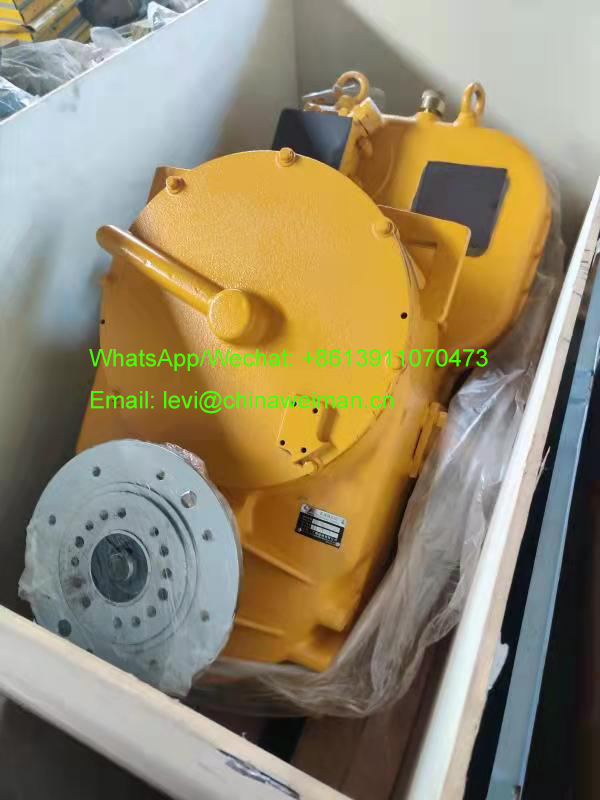
Choosing the right replacement components directly impacts machine longevity. Genuine parts guarantee exact fitment and metallurgical consistency. Engineers design these parts to match the exact tolerances of the original machine assembly. Aftermarket alternatives often introduce variable quality and potential failure risks. A slightly undersized aftermarket pin might fit into the loader arm, but the resulting play will eventually wallow out the entire bore, leading to a much larger repair bill.
Standardizing parts procurement across a mixed fleet offers massive logistical advantages. Managing inventory for compact L918F models alongside mid-size L938F and large L956H loaders requires a streamlined supply chain. Using a single verified supplier for genuine SDLG construction machinery parts simplifies ordering. Mechanics spend less time cross-referencing part numbers and more time turning wrenches. A standardized parts room with clear bin locations and min/max levels keeps operations running smoothly.
Installation of non-genuine components frequently voids manufacturer warranties. If an aftermarket hydraulic pump shatters and contaminates the entire system, the manufacturer will likely deny the warranty claim. Genuine parts protect machine reliability and maintain long-term resale value. Buyers on the secondary market actively look for machines maintained exclusively with authentic components.
When evaluating parts suppliers, consider these factors:
Does the supplier provide exact fitment guarantees based on your machine's serial number?
Can they supply metallurgical testing data for high-stress components like pins and gears?
Do they offer comprehensive warranty coverage on the parts they sell?
How quickly can they dispatch emergency orders to your specific job site?
Different environments shift the wear focus across the machine. High-abrasion quarries destroy ground-engaging tools and tires rapidly. The constant impact of blasted rock demands heavy-duty buckets and frequent tooth replacements. Conversely, soft-ground agricultural sites present different challenges. Mud and slurry pack into the undercarriage, threatening axle seals and drivetrain components. Wheel slip in wet conditions forces the differentials to work overtime, accelerating gear wear.
Operator behavior drastically alters the component lifespan. Aggressive operating techniques guarantee premature failures. Riding the brakes generates excessive heat, glazing the brake pads and warping the discs. Improper gear shifting, such as slamming the machine into reverse while still rolling forward, sends shockwaves through the transmission. Forcing quick acceleration under heavy loads strains the torque converter. Training operators to use smooth, deliberate movements extends the life of all major systems.
Site layout also dictates wear patterns. A site requiring loaders to carry material over long distances will see faster tire and axle wear. A site focused on short, repetitive loading cycles into crushers will experience accelerated wear on the boom linkage and hydraulic cylinders. You must adapt your maintenance strategy to match the specific physical demands of your job site.
Common operator habits that accelerate component wear:
Spinning tires into the pile, which shreds tire tread and overheats the axles.
Dropping the bucket hard onto concrete surfaces, cracking the bucket welds.
Ignoring dashboard warning lights regarding hydraulic temperature or engine oil pressure.
Failing to perform daily greasing on the articulation joint and loader arms.
Global supply chain delays pose a severe threat to fleet operations. Inventory shortages leave machines stranded waiting for simple components. The risk of receiving counterfeit components adds another layer of complexity. Counterfeit parts often look identical to genuine items but lack the required metallurgical strength. Installing a counterfeit transmission gear can result in sudden, catastrophic failure under load, destroying the entire transmission housing.
Establishing a localized critical spares inventory mitigates these risks. Relying entirely on fast global dispatch realities often bottlenecks local operations. When a machine goes down, waiting three days for air freight is unacceptable. Fleet managers must identify high-turnover items and keep them on the shelf. This proactive approach ensures mechanics have immediate access to the parts they need to get the machine back in the dirt.
Vetting an SDLG spare parts supplier requires strict criteria. A reliable partner must guarantee genuine or OEM status for all components. They should provide exact fitment verification based on machine serial numbers. Fast global dispatch capabilities remain important for rare components, but clear return policies are equally vital. A verified supplier acts as an extension of your maintenance team, providing technical support alongside parts delivery.
SDLG Loader Component Wear Rate and Stocking Guide
Component Category | Specific Parts | Primary Wear Factors | Recommended Stocking Level |
|---|---|---|---|
Ground Engaging Tools | Bucket Teeth, Cutting Edges | Material abrasion, impact force | High (Keep multiple sets on hand) |
Hydraulic System | Cylinder Seals, O-Rings, Hoses | Pressure spikes, dust contamination | High (Complete seal kits required) |
Filtration | Air, Oil, Fuel Filters | Environmental dust, fuel quality | High (Stock for next 3 service intervals) |
Linkage | Articulation Pins, Bushings | Heavy lifting, poor greasing | Medium (Stock based on inspection data) |
Drivetrain | Clutch Discs, Brake Pads | Operator behavior, tramming speed | Medium (Monitor wear indicators) |
To maximize your loader fleet's uptime and protect your margins, take the following actions:
Audit your current parts inventory against your machine hours to identify immediate replacement needs.
Establish a localized critical spares shelf specifically for high-wear GET, hydraulic seals, and filtration components.
Implement a daily operator inspection checklist focused on spotting weeping hydraulic hoses and worn bucket teeth.
Secure a procurement contract with a verified supplier to guarantee access to genuine components.
A: Ground-engaging tools like bucket teeth and cutting edges, hydraulic cylinder seals, and filtration components require the most frequent replacement. These parts endure continuous physical abrasion, pressure fluctuations, and environmental contamination during daily material handling operations.
A: Inspect hydraulic hoses and cylinder rods daily for leaks or weeping. Replace hydraulic filters according to the manufacturer's interval, typically every 500 to 1000 hours. Replace seals immediately upon detecting pressure drops or visible fluid leaks to prevent main pump contamination.
A: While some aftermarket parts function adequately, they carry significant fitment and metallurgical risks. Unverified aftermarket parts can cause premature failure, damage adjacent systems, and void manufacturer warranties. Using genuine parts guarantees exact fitment and maintains machine reliability.
A: Aggressive operator behavior is the primary cause. Improper gear shifting, such as changing directions without stopping, riding the brakes, and forcing quick acceleration under heavy loads, generates excessive heat and destroys clutch discs and planetary gears rapidly.
A: Purchase parts exclusively through verified and authorized SDLG suppliers. Authentic parts feature official manufacturer packaging, correct part numbers stamped on the component, and exact dimensional tolerances. Avoid suppliers offering prices drastically below market value, as these are often counterfeits.
A: Environments with high levels of abrasive dust, such as quarries or demolition sites, accelerate pin and bushing wear. Dust mixes with grease to form a grinding paste. Wet, muddy conditions can also wash away protective grease, leading to rapid metal-on-metal friction.
A: Lead times vary by supplier and location. Verified global suppliers often dispatch common parts within 24 to 48 hours. However, to avoid shipping delays, fleet managers should maintain a localized critical spares inventory for high-wear items like filters, seals, and GET.