
close
Choose Your Site
Global
Social Media

Views: 152 Author: Site Editor Publish Time: 2026-09-03 Origin: Site


Heavy wheel loaders take a massive beating on job sites. They lift, load, and articulate under extreme weights all day. When a machine like the L956F goes down unexpectedly, you lose money and site productivity stops. Fleet managers constantly fight the battle between reactive repairs and proactive maintenance. Waiting too long to replace worn components turns minor issues into catastrophic system failures. You end up with inflated repair bills and a machine sitting idle for weeks.
This guide gives maintenance supervisors and heavy equipment mechanics a practical technical framework. We will standardize your inspection routines and show you how to source reliable components. You will learn how to implement a strict 2000-hour maintenance schedule based on hard evidence from the field. Stop running equipment to failure. Use these steps to keep your loaders moving dirt and loading trucks without interruption.
Systematic Interval Tracking: Adhering to the strict 50-hour to 2000-hour maintenance intervals prevents premature wear on high-stress components.
Component-Specific Focus: Engine, transmission, and brake systems require distinct evaluation methodologies, ranging from fluid analysis to tactile temperature checks.
Procurement Verification: Sourcing verified OEM parts mitigates the severe operational risks associated with counterfeit or substandard aftermarket alternatives.
Preventative ROI: A structured parts replacement strategy reduces long-term operational expenses by extending the lifecycle of the loader's core mechanical systems.
A successful maintenance program requires clear, measurable success criteria. You want zero unplanned downtime, optimized fuel efficiency, and an extended asset lifecycle. Hitting these targets means moving past basic fluid top-offs. You need a rigorous, systematic evaluation of the entire machine every single day. A proactive baseline strategy catches minor anomalies long before they evolve into critical mechanical failures that shut down your job site.
Industry-standard daily checks rely heavily on visual and tactile inspection methodologies. Mechanics and operators must conduct thorough visual walk-arounds before turning the key. You are looking for surface leaks, weeping cylinder seals, and structural hairline fractures along the loader arms and the Z-bar linkage. Tactile checks carry just as much weight. You need to evaluate abnormal operating temperatures across bearing housings, hydraulic cylinders, and pivot points. If a center articulation joint feels excessively hot to the touch after a shift, you have impending friction-related failures. Feeling for unusual vibrations helps you pinpoint internal wear that your eyes will miss.
Executing these procedures accurately requires you to understand your technical literature. The comprehensive Parts Manual exists strictly for procurement. It gives you exploded views and exact numerical designations. On the other hand, the Operation & Maintenance Guide dictates your step-by-step procedures, fluid capacities, and torque specifications. Mechanics must verify specific version codes, such as L056FS2115A29E0, before pulling any wrenches. You must distinguish between model variants like the L956, L956F, L956FH, and LG956L. Internal tolerances and mounting configurations vary wildly across these different iterations.
Thorough documentation forms the backbone of reliable equipment management. Before you start buying components, maintenance supervisors must cross-reference the official parts book with the machine's exact serial number. Assuming parts fit across different production years usually results in costly mismatches and extended downtime. Sourcing accurate SDLG construction machinery parts requires strict adherence to the manufacturer's published serial number breaks. This guarantees seamless installation and restores the machine to factory performance.
To establish a solid baseline, implement this mandatory daily walk-around sequence:
Inspect the ground under the machine for fresh oil, coolant, or hydraulic fluid puddles.
Check the hydraulic tank sight glass while the loader arms are resting flat on the ground.
Walk the perimeter and inspect all four tires for deep sidewall cuts and missing rim bolts.
Grease the bucket pins and steering cylinder trunnions to push out accumulated dirt.
Drain the daily condensation from the primary fuel-water separator valve.
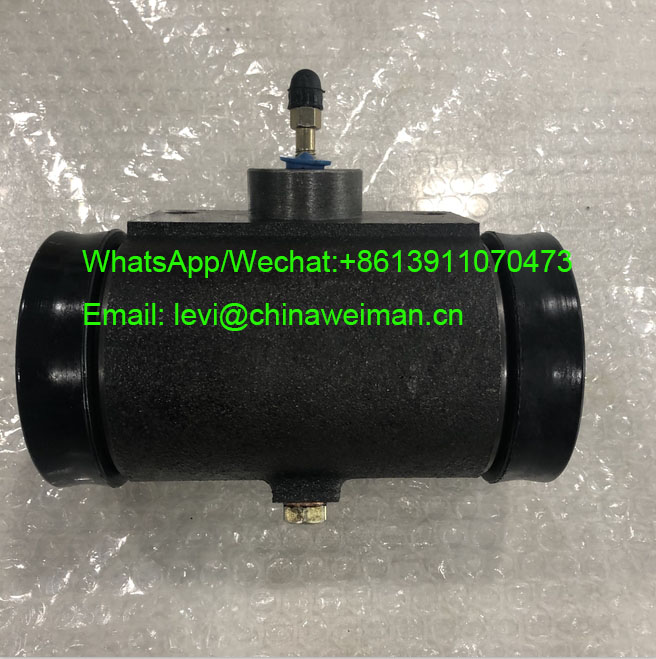
The diesel power plant of a heavy wheel loader operates under continuous heavy loads. Your filtration system acts as the primary defense against internal degradation. Evaluating and replacing critical engine filters based on strict hour intervals prevents abrasive contaminants from scoring cylinder walls and destroying fuel injectors. Seamless procurement requires utilizing exact OEM part numbers. The standard maintenance protocol mandates the regular replacement of the oil filter (4110003316001), the fuel filter (4110003450001), and the highly critical oil-water separator filter (4110002989004).
Beyond filtration, the cooling system and drive belts demand rigorous evaluation. Radiator airflow must be inspected daily. Construction sites pack radiator fins with dust, debris, and mud. You need to blow out the cooling package with compressed air regularly. Monitor coolant degradation using test strips to verify the freeze point and additive depletion. This prevents internal cavitation and scale buildup inside the engine block. You must physically check fan belt tension and wear. A slipping belt reduces water pump efficiency and alternator output. This leads to rapid overheating and electrical deficits when the machine pushes into heavy stockpiles.
Delaying these fundamental maintenance tasks introduces severe implementation risks. Utilizing non-compliant engine oil or extending filter change intervals allows particulate buildup to circulate through the lubrication system. This abrasive circulation accelerates main bearing wear, reduces engine compression, and severely limits breakout force. In extreme cases of deferred maintenance, sludge and debris block the oil galleries. This results in catastrophic engine seizure and forces you to buy a complete replacement power plant. Maintaining the integrity of SDLG L956F engine parts remains the most direct method to ensure reliable daily operation.
Engine Filtration Replacement Schedule
Component | OEM Part Number | Replacement Interval | Primary Function |
|---|---|---|---|
Engine Oil Filter | 4110003316001 | 250 Hours | Removes carbon soot and metal wear particles from lubrication circuits. |
Primary Fuel Filter | 4110003450001 | 250 Hours | Blocks particulate matter from reaching the high-pressure injection pump. |
Oil-Water Separator | 4110002989004 | 250 Hours | Strips condensation from diesel fuel to prevent injector tip cavitation. |
Air Intake Elements | Varies by Serial | 500 Hours | Prevents silica dust from entering the intake manifold and scoring cylinders. |
The transmission system transfers immense engine torque directly to the axles. It requires pristine fluid conditions to operate the internal clutch packs and planetary gears effectively. You must conduct fluid level and quality analysis while the machine sits at operating temperature to get accurate readings. Mechanics should extract a small sample to inspect for burnt odors, dark discoloration, or metallic flaking. If the fluid smells like burnt toast, you have clutch material degradation or excessive internal heat. This requires immediate flushing and filter replacement to prevent complete gearbox failure.
Evaluating the torque converter and gearbox linkages involves both operational testing and physical inspection. Operators should assess shift responsiveness under load. Delayed engagement or harsh shifting often points to failing proportional valves or internal seal leaks. Externally, mechanics must inspect all mechanical linkages for excessive play. Loose linkages cause incomplete gear engagement, which grinds the internal splines. You also need to check the output shaft seals for weeping. Losing fluid through a bad seal will rapidly destroy the internal transmission bearings.
Connecting proactive transmission maintenance to direct operational outcomes highlights its importance on the job site. Clean fluid and properly adjusted linkages result in smoother directional shifts. This becomes critical during repetitive V-pattern truck loading where the operator constantly shifts from forward to reverse. Optimized torque transfer ensures maximum tractive effort when driving the bucket into dense stockpiles. Ultimately, maintaining high-quality SDLG L956F transmission parts reduces operator fatigue by eliminating jerky movements and ensuring predictable machine response.
Check transmission fluid levels only when the engine is idling and the oil is warm.
Inspect the magnetic drain plug during every fluid change for excessive metal shavings.
Calibrate the transmission control module if shift points feel delayed or erratic.
Grease the driveshaft universal joints every 50 hours to prevent driveline vibrations.
Stopping a fully loaded wheel loader safely requires a braking system operating at maximum efficiency. You must conduct friction material and caliper inspections regularly to establish wear limits. Mechanics need to measure brake pad thickness and inspect the rotors for heat scoring or deep cracking. Caliper piston seals require close examination. Exposure to high operating temperatures causes these rubber seals to harden and crack. This leads to fluid bypass, a complete loss of clamping force, and uneven braking performance across the front and rear axles.
The hydraulic system powers both the steering cylinders and the main loader arms. It operates under extreme pressure. Evaluating hydraulic line integrity involves inspecting high-pressure hoses for chafing against the steel chassis, surface blistering, or UV degradation. Pay special attention to the crimped fittings at the cylinder connections. Weeping fluid indicates a failing crimp that will likely blow out under a heavy lifting load. Maintaining clean hydraulic fluid and replacing the tank breathers prevents pump cavitation and valve spool scoring.
You must frame brake and hydraulic maintenance as a non-negotiable site safety requirement. The liability risks associated with deferred maintenance on these systems are immense. A failure in stopping power or a blown lift cylinder hose results in dropped loads, severe property damage, and potential personnel injury. Ensuring the reliability of SDLG L956F brake parts and hydraulic components protects your workforce. It also shields your operation from compliance violations and costly safety stand-downs ordered by site inspectors.
Structuring maintenance into specific hour intervals ensures you service components before they reach their failure threshold. The daily to 50-hour checks form the foundation of machine longevity. Mechanics must grease all loader arm pivot points, articulation joints, and steering cylinders to purge dirt and maintain smooth operation. Checking tire pressure, tread wear, and rim integrity keeps the machine stable under load. Draining water from the fuel separator and verifying all fluid levels prepares the loader for a full day of heavy lifting.
As the machine reaches the 250 to 500-hour milestones, maintenance becomes much more intrusive. This interval requires replacing the engine oil and all associated filters to remove accumulated carbon and metal particulates. You must thoroughly inspect the air intake system, cleaning or replacing the primary and secondary elements to ensure unrestricted airflow to the turbocharger. Evaluate brake system performance during this phase by checking accumulator pressure and pedal travel to guarantee immediate stopping response.
The 1000 to 2000-hour major overhauls represent critical lifecycle interventions. During this phase, mechanics must drain and replace transmission and hydraulic fluids, flushing the systems to remove microscopic wear debris. You must change the axle oils to protect the differential and planetary hub gears. Inspect and adjust the engine valve clearances to factory specifications to restore combustion efficiency. Finally, conduct a comprehensive structural fatigue check. Look closely at the high-stress weldments along the front frame and boom arms for hairline cracks.
Standardized Maintenance Interval Milestones
Operating Interval | Target System | Required Action | Critical Focus Area |
|---|---|---|---|
Daily / 10 Hours | General & Fluids | Visual inspection, fluid level verification, greasing | Pivot points, fuel/water separator, tire condition |
50 Hours | Drivetrain | Check tire pressure, inspect drive shafts | Universal joint lubrication, rim bolt torque |
250 Hours | Engine Power Plant | Replace engine oil and primary filtration | Oil filter, fuel filter, air intake restriction |
500 Hours | Brakes & Hydraulics | Evaluate stopping power, check line integrity | Friction material wear, hydraulic hose routing |
1000 Hours | Transmission & Axles | Replace gearbox fluid and differential oils | Magnetic drain plugs, planetary hub oil |
2000 Hours | Comprehensive Overhaul | Adjust valve clearances, full system flush | Structural weldments, hydraulic tank cleaning |
Fleet managers can effectively scale this checklist across multiple units by integrating it into computerized maintenance management systems. Digitizing PDF service manuals and linking them to specific work orders ensures mechanics have immediate access to torque specs on their mobile devices. This scalability guarantees that whether you manage two loaders or a fleet of twenty, your maintenance standard remains uniform, trackable, and highly effective.
The trade-offs between OEM and aftermarket components heavily influence your overall machine reliability. Aftermarket alternatives often present a lower upfront cost, but they frequently lack the metallurgical integrity and precise machining tolerances required for heavy-duty earthmoving applications. OEM parts are manufactured to strict specifications, backed by Volvo Group's rigorous quality control standards for SDLG equipment. The hidden costs of cheap alternatives include frequent premature replacements, collateral system damage, and extended downtime. These issues quickly erase any initial procurement savings.
Establishing a robust framework for evaluating parts suppliers keeps your supply chain stable. Fleet managers should assess suppliers based on their inventory depth. You want a supplier that holds critical components in stock rather than relying on slow drop-shipping methods. Warranty support and technical expertise matter immensely. A good supplier must be able to assist your mechanics with complex part number cross-referencing. Reliable shipping logistics and transparent access to digital PDF manuals demonstrate a supplier's commitment to supporting your maintenance operations.
To mitigate supply chain disruptions, operations should implement strategic inventory mitigation strategies. Establish a localized critical-spares inventory for high-turnover items in your own shop. Keep filtration kits, drive belts, and brake pads on the shelf so routine maintenance is never delayed by shipping constraints. By partnering with verified distributors for SDLG L956F loader parts, maintenance teams secure bulk procurement advantages. You also guarantee that every component installed meets the exact factory specifications required for maximum durability in the dirt.
Maximizing the uptime and operational efficiency of the L956F relies entirely on strict adherence to interval-based maintenance and the utilization of exact-match components. Treating maintenance as a proactive strategy prevents minor wear from escalating into catastrophic system failures. By systematically evaluating fluid conditions, mechanical linkages, and structural integrity, fleet managers significantly extend the lifecycle of their heavy machinery.
Procurement decisions must prioritize long-term reliability over short-term savings. Shortlisting suppliers should be based on their ability to provide transparent access to detailed parts catalogs, comprehensive service manuals, and verified OEM components. A reliable supply chain is just as critical to machine uptime as the physical wrenches turning on the shop floor.
Take these immediate actions to protect your equipment assets:
Download and distribute the official maintenance manual for your specific machine version to all shop mechanics.
Audit your current parts inventory and align your stock levels with the requirements of the 2000-hour checklist.
Contact a certified equipment distributor to request a comprehensive bulk parts quote for the upcoming maintenance quarter.
Schedule a mandatory walk-around training session with all loader operators to enforce daily visual and tactile inspections.
A: The standard engine oil and filter change interval is 250 operating hours. However, machines operating in severe conditions, such as high-dust quarry environments or extreme ambient temperatures, necessitate accelerated intervals of 150 to 200 hours to prevent viscosity breakdown and particulate scoring.
A: Verification requires cross-referencing the exact 13-digit part numbers in the official parts catalog. Always inspect the packaging for official SDLG holographic seals and QR codes. Purchasing exclusively through authorized dealer networks eliminates the risk of acquiring substandard counterfeit components.
A: Early indicators of transmission failure include delayed gear engagement, harsh shifting, and abnormal whining noises from the hydraulic pump. Operators may also notice elevated transmission fluid temperatures on the dashboard gauge or a distinct burnt odor when checking the dipstick.
A: Exact part numbers are located in the official 400-page SDLG Parts Manual specific to your machine's serial number. Do not rely on the Operation & Maintenance Guide for procurement, as it focuses on procedures rather than component identification codes.
A: Modern diesel engines utilize high-pressure common rail injection systems with microscopic tolerances. Water contamination in the fuel causes rapid corrosion and explosive cavitation at the injector tips, leading to severe misfires, reduced power, and extremely costly engine repairs.
A: Using aftermarket filters carries significant risks. Non-OEM filters often feature incorrect micron ratings and inferior bypass valves. If a cheap filter collapses or bypasses under cold-start pressures, unfiltered fluid will circulate, causing rapid and irreversible damage to internal bearings and cylinder walls.
A: Never assume parts are universally interchangeable across these models. While they share a similar chassis, internal components, hydraulic routing, and mounting brackets vary significantly. Always consult the specific version code and parts manual to guarantee precise fitment and system compatibility.