
close
Choose Your Site
Global
Social Media

Views: 141 Author: Site Editor Publish Time: 2026-09-07 Origin: Site


Heavy equipment profitability relies on maximizing operational uptime while strictly controlling maintenance budgets and minimizing unexpected downtime. Procurement managers face a constant trade-off on the job site. They must choose between paying a premium for original components or risking premature failure, vibration-induced wear, and compromised safety with third-party alternatives. Equipment operates in unforgiving environments where dust, heavy loads, and constant vibration test the limits of every bolt and bearing. A single failed component can halt an entire production schedule. To make defensible procurement decisions, operators must evaluate replacement strategies based on lifecycle data, fitment tolerances, Quality Control (QC) standards, and component criticality rather than upfront sticker price alone.
Original equipment sustains peak performance significantly longer, minimizing secondary component wear and vibration over 2,000+ hour operating cycles.
Third-party alternatives offer initial procurement savings but require rigorous supplier vetting to match exact fitment tolerances and material specifications.
Component type dictates the risk profile: high-pressure and safety-critical systems demand original specifications, while non-critical wear items may allow for vetted alternatives.
Lifecycle cost calculations must factor in potential downtime, installation labor, warranty compliance, and equipment resale value, not just the initial purchase price.
Advancements in OEM omnichannel purchasing have streamlined parts availability, often neutralizing the historical lead-time advantages of local aftermarket suppliers.
You must establish baseline performance expectations for heavy equipment operating in high-stress environments. Machines working in quarries, mines, or heavy civil construction face continuous shock loads. Mean Time Between Failures (MTBF) serves as the primary metric for evaluating component reliability. High MTBF translates directly to sustained operational uptime and predictable project scheduling. When a wheel loader moves thousands of tons of material daily, every hour of uninterrupted operation drives site profitability.
Exact part tolerances directly impact adjacent component wear and overall machine vibration. A replacement pin that is just a fraction of a millimeter too small will introduce play into a linkage. This microscopic movement generates vibration harmonics during operation. Over hundreds of hours, this vibration accelerates metal fatigue across the chassis and drivetrain. Tight tolerances keep the machine operating within its original engineering parameters. Mechanics on the floor know that forcing a poorly machined part into a housing always leads to secondary failures down the line.
Calculating maintenance expenses requires a long-term view over a standard 2,000-hour heavy equipment maintenance cycle. The initial purchase price represents only a fraction of the total financial impact. You must evaluate how long the part will actually survive under load. A component that costs less upfront but fails three times as fast results in a massive net financial loss. You are not just buying the metal; you are buying the operating hours it provides.
Factor in the hidden costs of labor and lost productivity associated with premature part replacement. Every time a machine enters the shop, you pay mechanic wages and lose billable hours on the site. Diagnostic time also increases when dealing with inconsistent third-party parts. True cost analysis proves that spending more upfront often protects the maintenance budget over the operational year. If a cheap hydraulic hose blows, you lose the hose, the hydraulic fluid, the operator's time, and the production quota for the day.
Maintaining a verifiable service history protects the residual value of the machine. Fleet managers eventually cycle out older equipment to upgrade their assets. Secondary market buyers scrutinize maintenance logs before making an offer. A documented history showing the consistent use of genuine SDLG construction machinery parts builds immediate buyer trust. It proves the machine received uncompromising care throughout its service life.
Mixed-origin parts negatively impact secondary market appraisals. Appraisers view a patchwork of unbranded aftermarket components as a red flag. It often signals deferred maintenance or a general lack of investment in fleet health. Buyers will demand steep discounts to offset the perceived risk of hidden mechanical issues caused by non-standard repairs. A clean, OEM-backed maintenance record often yields a significantly higher trade-in value, offsetting the initial premium paid for original components.
Original parts guarantee exact manufacturer specifications. Engineers design these components using proprietary CAD models and specific material alloys. This exact fitment directly reduces vibration-induced wear on the chassis and drivetrain. Mechanics do not need to modify, grind, or force original parts into place. They fit perfectly on the first attempt, which drastically reduces installation time in the shop.
Lifecycle data indicates original components often yield up to twice the service life of unvetted alternatives. The structural integrity holds up under peak load conditions. Bearings maintain their load ratings, and seals resist extrusion under pressure. This predictability allows fleet managers to schedule preventative maintenance accurately rather than reacting to sudden breakdowns. When you know a water pump will reliably hit 5,000 hours, you can replace it during a scheduled teardown instead of dealing with an overheated engine in the middle of a haul road.
Factory QC protocols involve rigorous stress testing and metallurgical evaluations before market release. Manufacturers test steel for precise carbon content and proper heat treatment. They verify that rubber compounds can withstand specific temperature ranges and chemical exposures. These standards ensure the part performs exactly as intended in harsh environments. A cast iron housing undergoes ultrasonic testing to detect internal micro-cracks that are invisible to the naked eye.
OEM batch-testing consistency stands in sharp contrast to the highly variable quality control found in third-party manufacturing. Original manufacturers pull random samples from every production run for destructive testing. If a batch fails, they scrap it. Many low-cost aftermarket suppliers skip this expensive testing phase entirely, passing the defect risk directly to the end user. You might get a good part on Monday and a brittle one on Friday from the same generic supplier.
Using original components is necessary to maintain existing machine warranty validity. Manufacturers write strict clauses into their warranty agreements. If an unapproved third-party part causes a secondary failure, the manufacturer will void the coverage for that repair. Sticking to approved parts protects your warranty status and limits financial liability. A blown aftermarket oil filter that destroys a diesel engine will leave you covering the entire replacement cost out of pocket.
Official product support provides traceable supply chains and enhanced omnichannel purchasing. Streamlined online ordering and localized dealer networks accelerate parts delivery. You can track a part from the warehouse to your shop floor. This transparency neutralizes the historical advantage of buying whatever happens to be on the shelf at a local generic parts store. Modern logistics mean original parts often arrive just as fast as local alternatives.
Original parts carry a premium price point. This upfront cost requires justification in tight maintenance budgets. Procurement teams must look beyond the invoice and evaluate the operational guarantees that come with the premium. You are paying for engineering certainty and tested durability. The peace of mind that comes from knowing a critical component will not fail under a suspended load is worth the extra investment.
You justify this premium through predictable maintenance intervals, guaranteed compatibility, and reduced diagnostic time. Mechanics spend their time turning wrenches rather than troubleshooting fitment issues. When a machine returns to the dirt faster and stays there longer, the initial price premium pays for itself through increased site productivity.
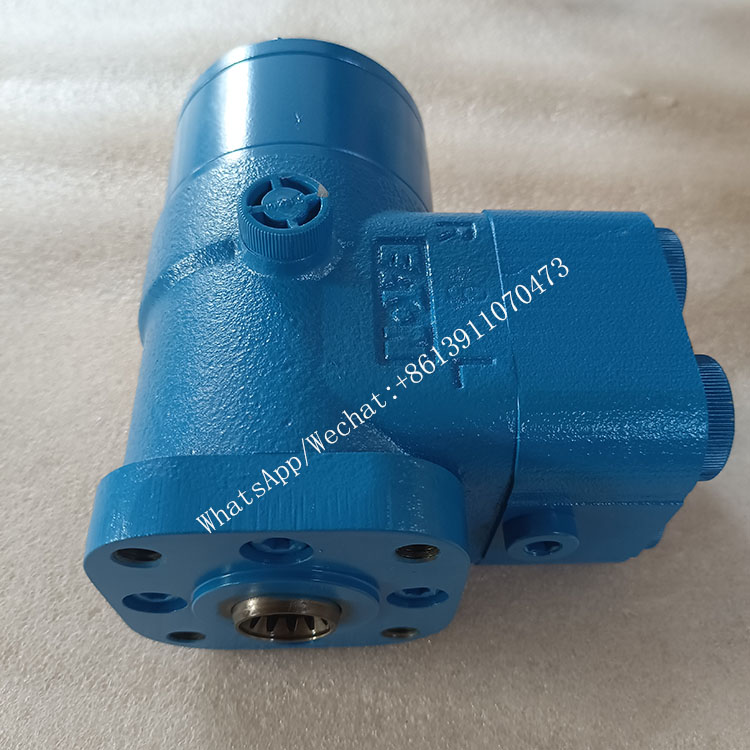
Third-party parts offer immediate upfront financial savings. For large fleets, these reductions represent massive potential savings in the annual maintenance budget. Procurement managers naturally gravitate toward these alternatives when trying to lower operating expenses. The appeal of cutting parts spending is strong, especially when managing dozens of aging machines.
However, these savings only materialize if the part survives its intended lifecycle. Buying a cheaper alternator that burns out in three months forces you to buy the part twice and pay for the labor twice. The initial savings vanish instantly.
The aftermarket landscape is highly fragmented. You must differentiate between high-tier, specialized aftermarket manufacturers and low-cost, unverified producers. Specialized manufacturers often focus on a single component type, like filters or bearings, and produce high-quality replacements. Unverified producers simply reverse-engineer parts without understanding the original design intent. They copy the dimensions but ignore the metallurgy.
Material discrepancies heavily impact structural integrity under heavy loads. A third-party steel pin might look identical to the original but lack the proper induction hardening. Inferior rubber compounds in hydraulic seals degrade rapidly when exposed to hot hydraulic fluid. These hidden material flaws lead to sudden, catastrophic failures on the job site.
Identify the primary risks before integrating aftermarket parts into your fleet. The main threats include voided warranties, accelerated wear of adjacent parts, unpredictable failure rates, and inconsistent supply chain lead times. A cheap part that arrives three weeks late costs more in downtime than the most expensive original component.
Establish strict supplier vetting protocols to mitigate these risks. Follow these specific steps when evaluating a new parts vendor:
Request documented material certifications for all high-stress steel components.
Verify the supplier carries adequate product liability insurance.
Demand independent testing data comparing their product to original engineering benchmarks.
Conduct pilot testing on non-critical, fully depreciated assets before approving a part for fleet-wide use.
Monitor the test machine closely and document the part's performance over a 500-hour interval.
OEM vs. Aftermarket Component Comparison Matrix
Component Category | OEM Recommendation Level | Aftermarket Viability | Primary Risk Factor |
|---|---|---|---|
Hydraulic Pumps & Valves | Strictly Required | Very Low | System contamination, pressure loss |
Brake Cylinders & Discs | Strictly Required | Low | Safety failure, thermal degradation |
Electronic Control Units (ECUs) | Strictly Required | Very Low | Communication errors, diagnostic failure |
Ground Engaging Tools (GET) | Recommended | High (if vetted) | Accelerated abrasion, premature breakage |
Cabin Filters & Mirrors | Optional | Very High | Minor fitment issues, reduced lifespan |
Hydraulic systems dictate the lifting and grading power of heavy machinery. These systems operate under extreme high-pressure demands, requiring exact seal and valve tolerances. Even a microscopic scratch on a valve spool can cause internal leakage. This leakage generates excess heat and reduces the overall efficiency of the implement. When a grader blade drifts during a fine grading pass, the entire sub-base must be reworked.
Original equipment is strictly recommended to prevent catastrophic fluid loss and system contamination. We advise using genuine SDLG motor grader hydraulic parts for all pressure-bearing repairs. Aftermarket seals often extrude under pressure spikes, leading to blown hoses and pump failure. Contamination from a disintegrating third-party seal will destroy the entire hydraulic circuit, requiring a complete system flush and multiple component replacements.
Brakes represent the most critical safety system on any piece of heavy equipment. Stopping distance, thermal dissipation, and friction material consistency are paramount. A motor grader operating on a steep incline relies entirely on its braking system to protect the operator and ground personnel. There is no room for compromise here. A brake failure on a crowded job site leads to severe accidents and massive liability.
Standard aftermarket friction materials suffer severe performance degradation under heavy load. They glaze over at high temperatures, leading to brake fade. Original engineering standards ensure reliable thermal management and consistent stopping power. Always install genuine SDLG motor grader brake parts to maintain strict site safety compliance. The engineering behind these components accounts for the exact operating weight and kinetic energy of the specific machine model.
Modern construction machinery relies on complex networks of sensors, wiring harnesses, and electronic control units (ECUs). These components manage engine timing, hydraulic flow, and transmission shifts. They require precise voltage regulation and exact resistance values to function correctly. A slight variance in a sensor signal can throw the machine into limp mode, completely halting production.
Third-party electronics introduce severe risks of voltage irregularities and communication errors. The CAN bus network expects specific data packets. We strongly recommend original SDLG motor grader electrical parts to ensure ECU compatibility. Accurate machine diagnostics depend entirely on reliable sensor data. Cheap electrical parts lead to phantom error codes and wasted diagnostic hours as mechanics chase electrical gremlins through the wiring harness.
Not all parts require original manufacturer specifications. You can identify specific categories where vetted third-party parts provide acceptable returns without compromising core machine integrity. Ground engaging tools, such as bucket teeth and cutting edges, are designed to wear out and be replaced frequently. Specialized aftermarket foundries often produce excellent abrasion-resistant steel for these applications.
Cabin filters, non-critical brackets, and external lighting also serve as prime candidates for aftermarket alternatives. These components do not affect the structural integrity, hydraulic pressure, or electronic communication of the machine. By saving money on these low-risk items, procurement teams can allocate more budget toward critical OEM powertrain components.
The age of the machine heavily dictates the parts procurement strategy. Keep machines under warranty or within their first 5 years of service strictly on original parts. This approach protects the warranty status and ensures maximum reliability during the equipment's most productive years. New machines represent massive capital investments that require uncompromising maintenance standards.
Older, fully depreciated fleet assets change the financial logic. When a machine nears the end of its lifecycle, installing premium original parts for every minor repair may not yield a positive return. Transitioning to vetted aftermarket parts for these older machines helps control costs while keeping them functional for secondary utility tasks. A backup loader used for yard cleanup does not need the same premium components as the primary production machine.
Evaluate the operational stress profile of the job site. High-cycle, highly abrasive environments like mining and heavy quarrying destroy weak components rapidly. In these severe applications, the durability of original parts is non-negotiable. The cost of a breakdown in a 24/7 mining operation dwarfs the price of any spare part. Dust, silica, and continuous impact loads require the highest metallurgical standards available.
Intermittent utility or agricultural work puts significantly less stress on the machine. A grader used for occasional road maintenance on a farm does not face the same thermal and mechanical loads as one building a major highway. Adjust your part selection matrix based on daily utilization rates and the physical demands of the specific application.
Application Severity Guidelines
Operating Environment | Daily Utilization | Recommended Parts Strategy |
|---|---|---|
Mining & Heavy Quarrying | 16 - 24 Hours | 100% OEM for all mechanical and hydraulic systems. |
Heavy Civil Construction | 8 - 12 Hours | OEM for powertrain/hydraulics; vetted aftermarket for GET. |
Utility & Intermittent Use | 2 - 6 Hours | Blended approach based on component criticality and machine age. |
The reality of "machine down" scenarios often forces immediate procurement decisions. When a critical asset breaks, you need parts immediately. OEM dealer network inventories generally provide reliable stock for major breakdowns. Their logistics networks are designed to minimize equipment downtime. They can overnight a transmission control valve from a regional hub directly to your shop.
Local aftermarket stock might offer faster access for common items like belts or standard hoses. However, relying on local generic suppliers for complex internal components is risky. Consistent access to genuine SDLG spare parts through official channels ensures predictable repair schedules and prevents mechanics from waiting weeks for backordered materials.
Original parts remain the necessary benchmark for high-stress, critical systems including hydraulics, electronics, and brakes. They guarantee exact fitment, superior metallurgy, and predictable performance over long operating cycles. Conversely, rigorously vetted aftermarket parts offer viable cost savings for older machines and non-critical wear items, provided the supplier can prove their material standards. Procurement teams must audit fleet age, warranty status, specific component failure risks, and required lead times before issuing purchase orders. A blanket policy of buying the cheapest part always leads to higher long-term maintenance expenses. Smart procurement requires balancing initial cost against operational reliability.
Take the following steps to optimize your parts procurement strategy:
Consult with a certified parts distributor to run a comparative lifecycle cost analysis on your upcoming 2,000-hour service interval.
Audit your current fleet to identify fully depreciated assets that are suitable candidates for vetted aftermarket wear items.
Establish strict material certification and testing requirements for any third-party suppliers currently operating in your network.
Explore official online ordering portals to streamline emergency procurement, track shipments, and reduce diagnostic downtime.
A: Aftermarket quality varies significantly. While top-tier specialized manufacturers offer decent durability, many low-cost suppliers lack rigorous QC testing. Unvetted parts typically experience a sharp performance drop-off before the standard 2,000-hour mark, leading to premature replacement and increased labor costs.
A: Yes. Standard manufacturer warranty clauses stipulate that damage caused by third-party components voids coverage. If an aftermarket part fails and causes secondary damage to the engine or drivetrain, the repair costs fall entirely on the equipment owner.
A: You must require material certifications and documented pressure testing standards directly from the supplier. Conduct thorough vetting by checking industry references and running pilot tests on non-critical, fully depreciated assets before allowing fleet-wide implementation.
A: Third-party alternatives typically offer significant upfront financial savings compared to original equipment prices. However, exceptionally low-priced outliers often indicate severe compromises in metallurgical standards or rubber compounds and should be strictly avoided.
A: Original components undergo superior metallurgical testing and factory stress evaluations. Their exact fitment reduces overall machine vibration, which minimizes material fatigue and prevents accelerated wear on adjacent structural joints over long operating cycles.
A: We generally advise against it. Third-party electronics frequently introduce voltage irregularities and ECU incompatibility. These issues lead to inaccurate machine diagnostics, sensor failures, and potential communication errors across the equipment's complex control network.
A: Yes. A documented history of genuine OEM parts preserves machine residual value and buyer trust. Mixed-origin components often signal deferred maintenance to appraisers, lowering the secondary market valuation and making the asset harder to sell.