
close
Choose Your Site
Global
Social Media

Views: 0 Author: Site Editor Publish Time: 2026-10-29 Origin: Site


Equipment downtime drains your operating budget at an alarming rate. When heavy machinery breaks down on a dusty construction site or a busy mining quarry, having authentic replacement components immediately on hand is the only way to avoid idle crews and bleeding margins. Wholesale buying presents a highly cost-effective procurement strategy. Yet, it carries hidden risks such as falling into counterfeit traps or receiving incompatible batches. In this comprehensive guide, you will learn how to rigorously vet vendors and secure the correct inventory to keep your fleet running smoothly.
Authenticity is Non-Negotiable: Always verify OEM part numbers, chassis numbers, and machine nameplates before authorizing a large-scale transaction.
Supplier Vetting Matters: A competent supply chain partner should provide transparent lead times, robust commercial warranties, and comprehensive after-sales technical engineering support.
Stock Up on Consumables: Proactively replacing routine maintenance items prevents catastrophic, system-wide engine and gearbox failures.
Machine-Specific Sourcing: Different equipment types possess unique wear-and-tear cycles that must dictate your strategic purchasing forecasting.
Recent shifts in the global heavy machinery aftermarket reveal a strategic pivot among procurement officers. Driven by persistent logistical bottlenecks and geopolitical uncertainties, many fleet managers are transitioning from a strict just-in-time inventory model to a more resilient just-in-case approach. Industry data indicates a significant surge in bulk procurement contracts over the past year. Fleet directors now leverage machine telematics and predictive maintenance algorithms to forecast component degradation long before failure occurs. Bulk purchasing is no longer viewed merely as a volume discount tactic. It has evolved into a critical buffer against unpredictable supply chain disruptions, ensuring continuous site operations regardless of global shipping delays.
For fleet managers aiming to minimize the Total Cost of Ownership, sourcing genuine replacement components remains a foundational requirement. Aftermarket alternatives might tempt buyers with lower upfront costs. However, the long-term financial and operational impacts inevitably negate these initial savings.
Investing in authentic components directly extends the operational lifespan of heavy machinery. Genuine parts are manufactured to exact metallurgical standards and dimensional tolerances specified by the original equipment manufacturer. This precision ensures that new components integrate seamlessly with existing older systems. Consequently, this reduces internal mechanical friction, prevents premature wear, and ultimately improves the overall return on investment of your heavy assets.
Heavy construction environments are heavily regulated. Using substandard or counterfeit aftermarket parts introduces significant safety hazards to operators and ground personnel. Imagine a wheel loader halting production in the middle of a quarry simply because a substandard hydraulic seal burst under 3,000 psi of pressure. Furthermore, utilizing non-genuine parts often voids manufacturer warranties and exposes companies to severe legal liabilities during routine site safety inspections.
In complex mechanical ecosystems, components do not operate in isolation. A single cheap, faulty part can initiate a devastating chain reaction of damage. For example, a poorly manufactured hydraulic seal degrades rapidly, releasing abrasive particulate matter into the hydraulic fluid. This contamination will subsequently destroy expensive hydraulic pumps and control valves. Procuring genuine parts mitigates the risk of these expensive cascading failures.
Securing the correct components requires a systematic verification process. Bulk buyers must implement strict pre-order protocols to avoid the logistical nightmare of receiving incompatible international freight.
The machine nameplate serves as the primary source of truth for equipment identification. Typically located near the operator cabin or stamped on the main frame, this plate contains the 17-digit chassis number and the specific manufacturing year. The chassis number is the golden key to ensuring absolute part compatibility. Manufacturers frequently update internal components between production batches, even within the exact same model year.
Visual similarities are notoriously deceptive in heavy machinery procurement. Two gears might look identical to the naked eye. However, they often possess completely different tooth pitches or load-bearing ratings. Procurement officers must rely exclusively on official OEM parts catalogs to match exact part numbers. When requesting quotes, specifically provide the vendor with the OEM alphanumeric code rather than a generic text description.
Before finalizing any proforma invoice for a wholesale order, demand that the supplier provide real-time documentation. This should include high-resolution, date-stamped photos of the physical stock, the OEM packaging featuring holographic seals, and relevant technical schematics. This critical step confirms that the supplier actually holds the inventory in their warehouse and is not merely acting as a blind dropshipper.
A highly optimized procurement strategy categorizes inventory based on the specific operational stresses and wear-and-tear cycles of different machinery types. Moving beyond abstract purchasing, engineers must look at specific load profiles.
Machines engaged in continuous loading and material handling experience severe stress on specific contact points. When stocking up on XCMG wheel loader parts, procurement teams should prioritize high-wear items built to withstand immense breakout forces. Essential inventory includes high-manganese steel bucket teeth, cutting edges, and reinforced bucket pins. In addition, hydraulic cylinders and braking system components must be kept in reserve. Their sudden failure immediately halts loading tasks and disrupts entire site logistics.
Excavators operate in highly abrasive environments that rapidly degrade lower assemblies. Therefore, a bulk order containing genuine XCMG excavator parts must focus heavily on undercarriage components. Track rollers, idlers, track chains with specific pitch tolerances, and sprockets require scheduled replacement to maintain traction and stability on uneven terrain. Specifically, main hydraulic pumps and swing motors are critical internal systems that demand immediate availability to prevent prolonged downtime during heavy excavation phases.
Motor graders rely on exact blade positioning to achieve required surface tolerances. Maintaining a robust stock of genuine XCMG motor grader parts, such as boron-steel grader blades, cutting edges, and ripper shanks, is absolutely essential. Because these machines require precise maneuverability, steering components and heavy-duty articulation joint bearings should also be prioritized in your wholesale forecasting.
Backhoe loaders function as dual-purpose machines, subjecting them to diverse operational stresses across both front and rear mechanisms. Crucial components include stabilizer pads which wear out exceptionally fast on abrasive asphalt surfaces. When maintaining models like the XC870K, securing exact XCMG backhoe loader parts, such as the 800339757 replacement assembly, ensures exact dimensional alignment. This prevents boom cylinder drift and protects drivetrain parts that endure frequent directional shifts during trenching operations.
While heavy structural components are ordered based on long-term wear metrics, consumables dictate the day-to-day health of the fleet. Buying these smaller items in bulk is the most effective way to protect major capital systems.
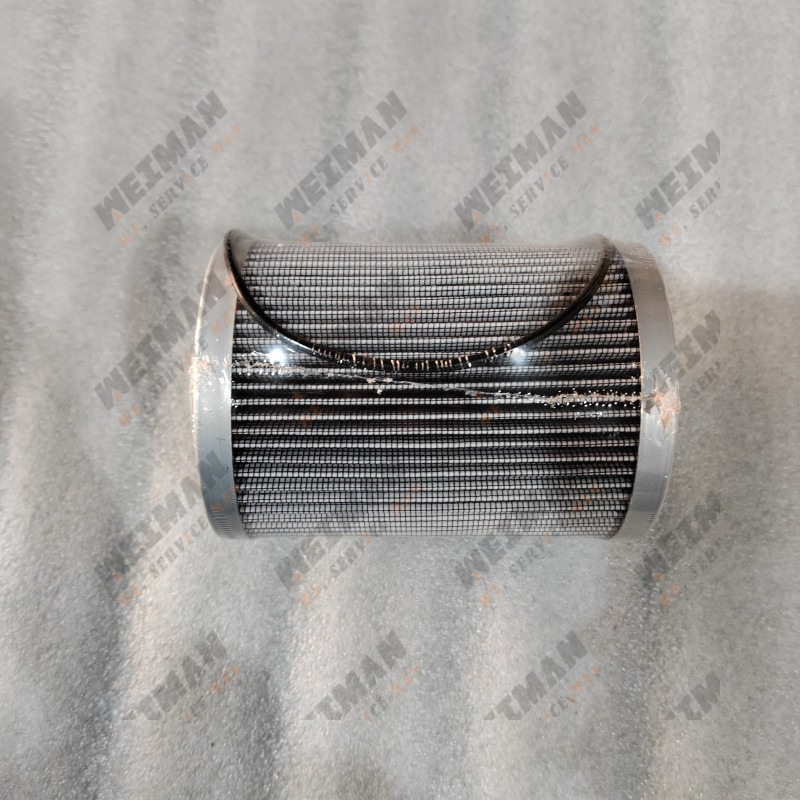
Transmission systems in heavy machinery operate under extreme torque and intense heat. Regularly replacing an XCMG transmission filter, such as part number 803440533 or 860164488, is a non-negotiable maintenance requirement. These specific filters are engineered with precise 10-micron filtration media, responsible for trapping microscopic metal shavings generated by constant planetary gear friction. If a filter becomes clogged, debris circulates freely. This leads to erratic shifting, overheating, and eventually, a catastrophic gearbox failure. Purchasing these filters in high volumes ensures that maintenance teams never skip a scheduled service due to sudden stock shortages.
Evaluation Metric | Genuine OEM Components | Standard Aftermarket Parts |
|---|---|---|
Dimensional Tolerance | Exact match, ensuring zero installation friction. | Often requires on-site modification or shimming. |
Material Composition | High-grade alloys and exact metallurgical treatments. | Lower-grade steel, prone to rapid fatigue and cracking. |
Failure Rate | Less than 1 percent under normal operating loads. | Up to 15 percent failure rate within the first 500 hours. |
Impact on TCO | Significantly lowers long-term maintenance costs. | Increases costs due to recurring downtime and cascading damage. |
Selecting a vendor for bulk heavy machinery components is a critical supply chain decision. Procurement officers must evaluate potential partners based on operational transparency, logistical infrastructure, and post-sale reliability.
In the heavy equipment sector, logistics often dictate the success of a procurement strategy. A qualified supplier must demonstrate robust global shipping capabilities, offering flexible freight options tailored to your urgency. Critical machine-down situations require established air freight channels with lead times of 3 to 7 days. In contrast, routine bulk restocking should utilize cost-effective sea freight, typically requiring 15 to 45 days. Ensure the vendor provides clear Incoterms and handles customs documentation efficiently.
A transparent warranty policy serves as a primary indicator of product authenticity and supplier confidence. Standard business-to-business warranties for heavy machinery components generally range from 6 to 12 months, covering manufacturing defects. Ensure the warranty explicitly covers structural integrity under standard operational loads. Always scrutinize the return procedures to determine who bears the financial responsibility for reverse logistics if a part arrives defective.
Procurement does not end at the delivery dock. Complex machinery often requires post-sale technical alignment. Partner with suppliers who employ dedicated engineering teams capable of providing installation guidance, interpreting complex diagnostic codes, and troubleshooting compatibility issues. Prompt, clear communication is essential for resolving technical queries efficiently and keeping projects on track.
Purchasing parts in bulk requires a highly strategic approach to warehouse management to prevent inventory degradation and unnecessary capital waste.
Modern fleet management relies on hard data rather than guesswork. Utilize computerized maintenance management systems and machine telematics to track the exact operating hours of each unit. By cross-referencing this data with recommended replacement intervals, procurement officers can accurately predict when specific components will fail. This predictive model allows for automated, data-driven bulk reordering.
Improper storage can render brand-new parts completely unusable before they even reach the repair bay. Establish a strict First-In First-Out inventory system. Different components require highly specific environmental controls. Steel parts should be kept elevated and coated in anti-rust compounds. Conversely, rubber seals and hydraulic hoses must be stored in cool, dark, and dry environments to prevent ozone embrittlement and UV degradation.
The global market for construction equipment components is unfortunately saturated with substandard alternatives. Procurement teams must remain vigilant and employ strict risk management protocols.
In the realm of OEM manufacturing, production costs are relatively standardized based on global raw material prices and precision engineering requirements. If a supplier offers quotes that are drastically below the current market average, it is a glaring red flag. These hyper-discounted items are almost exclusively counterfeit or refurbished parts deceitfully packaged as new. They lack metallurgical integrity and will inevitably fracture under operational stress.
Professional transactions require absolute clarity regarding financial and logistical responsibilities. Be extremely wary of suppliers who provide vague answers regarding shipping weights, dimensional data, or specific customs documentation. Vague communication often masks hidden fees that will suddenly appear during customs clearance. A trustworthy supplier will always provide a comprehensive, itemized Proforma Invoice upfront.
Successful bulk procurement requires meticulous planning and unwavering attention to detail. You must match exact chassis numbers, prioritize genuine replacement components, and partner with a transparent, reliable supplier who understands the demanding operational loads of heavy industry. By adhering to these stringent vetting processes, you ensure your fleet remains operational, safe, and highly profitable. Do not let substandard components drain your margins. Evaluate your current inventory needs, cross-reference your specific machine models, and visit Chinaweiman today to consult with our engineering team and secure guaranteed authentic components tailored to your fleet.
Authenticity can be verified by requesting official distributorship certificates from the supplier, checking for intact OEM holographic packaging, and cross-referencing the provided exact part numbers directly with the official manufacturer digital parts catalog. Visual inspection of real-time warehouse photos can also help confirm OEM branding standards.
Lead times depend entirely on your chosen freight method. For urgent, lightweight components, air freight generally requires 3 to 7 business days. For heavy, bulk wholesale orders, sea freight is the industry standard and typically takes between 15 to 45 days, depending on customs clearance efficiency and the final destination port.
Replacement intervals are dictated by OEM guidelines and specific working conditions. Generally, a transmission filter should be replaced every 500 to 1,000 operating hours. Because failing to replace this filter can cause severe gearbox damage, fleet managers are strongly advised to buy these consumables in bulk to ensure they are always on hand for scheduled preventative maintenance.
Yes, reputable B2B suppliers typically provide a standard commercial warranty ranging from 6 to 12 months for heavy machinery components. This warranty should explicitly cover manufacturing defects and premature metallurgical failures under normal operating conditions. Always request the formal warranty policy in writing before transferring funds.
To eliminate costly compatibility errors, you must provide the supplier with the specific machine model, the 17-digit chassis number, the engine serial number, and the exact OEM part numbers required. Additionally, clearly state your required quantities and preferred shipping method to ensure the quote is comprehensive and structurally accurate.
An authentic OEM excavator undercarriage operating in highly abrasive environments, such as granite quarries, typically lasts between 3,000 to 4,000 hours. This lifespan significantly drops to under 1,500 hours if using substandard aftermarket links and rollers due to accelerated metal fatigue.
Always demand high-resolution images of the component surface finish and factory paint. Refurbished parts often show micro-abrasions, uneven sandblasting marks, or painted-over grease fittings. Additionally, require the supplier to provide a formal Certificate of Origin and a written guarantee of new condition on the final commercial invoice.